Helpful Articles
"It's love for one another. We are all going to be there someday, and you want someone to care for your family."

Not sure what to expect at your first funeral? Learn what to wear, funeral etiquette, and how to offer condolences with confidence.

Meet Assistant Funeral Director Ron Sprout. Learn about his journey to Parthemore Funeral Home, what he appreciates about his role, and what he likes to do in his free time.
“I knew that I wanted to be a funeral director since the 6th grade.”
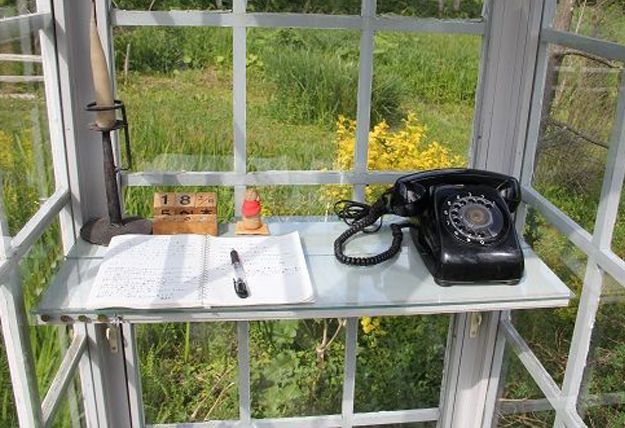
For many people, not being able to talk with friends and family who have died is a part of their ongoing grief.

Let’s start off by explaining that a labyrinth is a meandering curved path, with a single route from the outer edge that leads to the center.
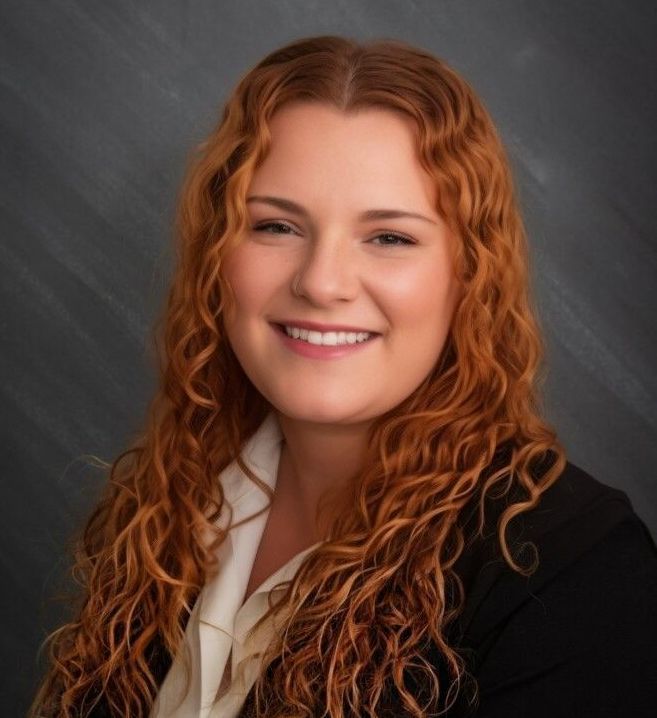
Parthemore Funeral Home & Cremation Services is pleased to welcome Ashley Mann, licensed funeral director, to the staff.
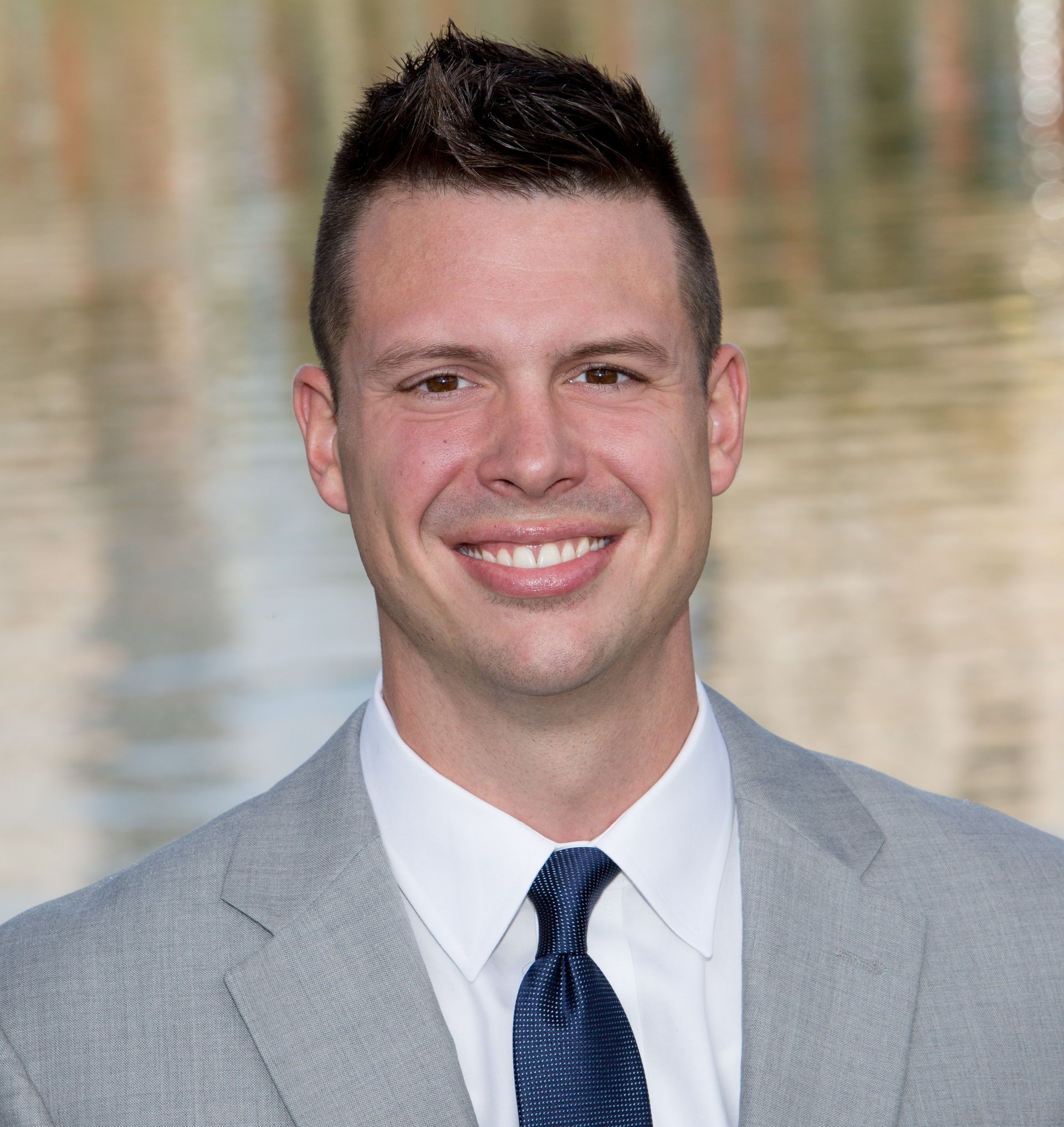
Gilbert A. “Gibby” Parthemore has been named Supervisor of Parthemore Funeral Home & Cremation Services.
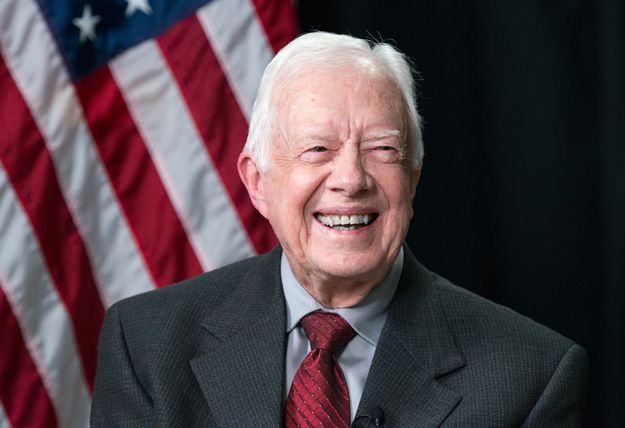
Carter’s public disclosure has really opened up the conversation about issues surrounding death and end-of-life care.

How to Make Your Loved Ones’ Lives Easier and Your Own Life More Pleasant. The Gentle Art of Swedish Death Cleaning: How to Make Your Loved Ones’ Lives Easier and Your Own Life More Pleasant.
We need to be careful that our pursuit of convenience doesn’t erode the meaning and purpose of the funeral experience.

The Parthemore Family would like to thank everyone who attended services, sent condolences and reached out to us. The memories that you shared and your kindness will help us as we mourn the loss of Gil. We pledge to continue his legacy of serving our community.

Gil’s grandsons Gibby and Garrison paid tribute to their “Pap” during his funeral service. Each of them shared some of the many ways that Gil made a difference in their lives and those of other community members. Here are some excerpts of their eulogies.

Mother’s Day can prove to be challenging for anyone who is mourning the loss of their mother, even long after she passed. It can also be difficult to find meaningful ways to honor your mother and her life on Mother’s Day. Even though your mother is no longer here, you can still celebrate and remember her in ways that reflect the life that was unique to her.
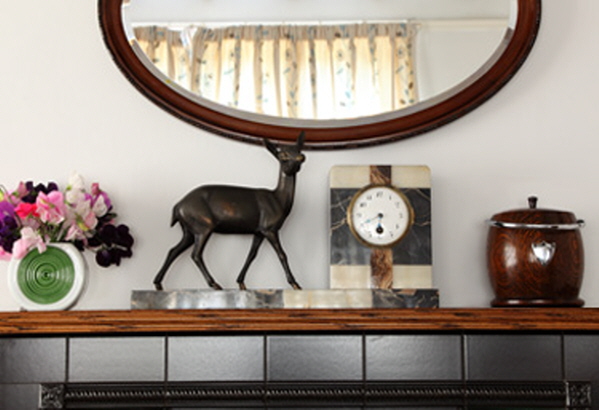
After a loved one is cremated, about 70% of families opt to take the urn home with them after the funeral services. There are a number of reasons that families choose to take cremated remains home. Some are still working through their grief and want to hold onto their loved one a bit longer, others haven’t given thought to the final disposition of the ashes, or they have been left instructions about scattering or are simply uncertain what to do.
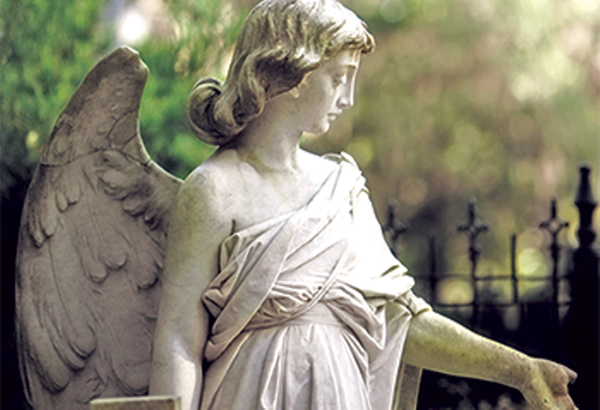
How We Describe Death Has Evolved Over The Years
Discussing death has always been a delicate topic, especially when it comes to crafting obituaries for loved ones. Over the years obituaries have evolved, shaped by society’s customs and the evolution of the language used to describe death in obituaries.
How we describe death today differs greatly from hundreds of years ago. This reflects not only the fact that attitudes towards death have changed, but also the prevalence of modern day causes of death. Back in the pre-1850’s many obituaries described death in euphemistic phrases like “slain by enemy” or “breathed her soul away into her Savior’s arms.”
The language of obituaries can be divided into three broad categories: polite euphemisms, transcendent experiences, and “there’s more to the story” style. Polite euphemisms are a gentle way to talk about death without mentioning the “d-word.” Transcendent experiences involve using religious or spiritual terms to define death. The “there’s more to the story” style-obituaries are similar to polite euphemisms in that they don’t explicitly state how someone died. This option is often used in times of sensitive topics such as overdose or suicide.